
How to Maintain Your House and Avoid Costly Repairs
Most house repairs in Lahore don’t come out of nowhere, they build up quietly over months while the owner notices “small things” that seem fine to ignore. A hairline crack above a window. A slow drain. A bathroom ceiling that’s slightly damp after rain. By the time these become visible problems, you’re usually looking at serious repair bills. The good news: a simple, consistent maintenance routine can prevent 70–80% of costly structural and finishing damage. This guide gives you a practical, Lahore-specific plan to protect your home and your investment.
Why House Maintenance Gets Ignored in Pakistan (And Why That’s Expensive)
Pakistani homeowners, especially in Lahore, tend to put money into construction and finishing, then treat post-construction care as optional. It isn’t. The local climate alone demands attention: monsoon humidity from July to September, dry dusty winters, and temperature swings that stress plaster, paint, and sealants every single year.
Add to that common construction realities , variable concrete quality, exposed roof slabs, water tanks sitting on direct sunlight, and you have a property that needs active upkeep. A 5 marla house left without maintenance for five years can easily require PKR 5–15 lakh in repairs. A 10 marla or 1 kanal house, even more. Routine maintenance, by contrast, costs a fraction of that annually.
The Annual House Maintenance Calendar for Lahore
Breaking your maintenance into seasonal tasks makes it manageable. Here’s a practical schedule built around Lahore’s climate:
| Season / Month | Key Tasks |
|---|---|
| Pre-Monsoon (May–June) | Roof inspection and waterproofing touch-up, check parapet joints, clear drains and downpipes, inspect overhead water tank for cracks |
| Monsoon (July–Sep) | Monitor walls and ceilings for seepage, check doors and windows for swelling/leaks, keep drains clear of debris |
| Post-Monsoon (Oct–Nov) | Repair any seepage-related plaster damage before it spreads, repaint external walls if needed, check boundary wall coping |
| Winter (Dec–Feb) | Inspect plumbing for slow leaks, check gas fittings (have a licensed technician do this), touch up interior paint and caulking |
| Spring (Mar–Apr) | Full walkthrough inspection, plan any significant repairs or improvements before summer heat sets in |
Roof and Waterproofing: Your Highest-Priority Task
In Lahore’s flat-roof construction style, the roof slab bears the full brunt of monsoon rain, UV exposure, and standing water. This is where most seepage damage starts — and where most expensive repairs originate. A leaking roof eventually damages ceilings, plaster, electrical conduits, and even structural steel if left unchecked.
What to check annually before monsoon:
- Look for cracks at parapet wall junctions — these are the most common entry points for water
- Check the waterproofing membrane or ICI/chemical waterproofing coat for bubbling, peeling, or bare patches
- Make sure roof drains are not blocked — even partial blockage causes pooling, which accelerates slab deterioration
- Inspect the overhead water tank base and outlet fittings for hairline cracks or wet patches
Typical maintenance cost: A basic chemical waterproofing re-application on a 5 marla roof typically runs PKR 20,000–50,000 depending on the product used and labour rates. Full membrane waterproofing costs more — confirm current rates with your contractor. This is money very well spent compared to repairing a damaged slab or ceiling.
If you’re planning major roofing work or an addition, it’s worth reading our guide on construction planning and structural decisions before you commit to a scope of work.
Plumbing and Drainage: Small Leaks, Big Damage
Water is the single biggest enemy of a finished house. A slow leak inside a wall — from a joint in a GI or CPVC pipe — can saturate masonry for months before showing up as a stain. By then, plaster is loose, paint is bubbled, and if it’s near a load-bearing wall, you may have salt efflorescence attacking the mortar joints.
What to do:
- Check under every sink, behind every toilet, and around every bath fitting every three to four months — feel for damp, not just look
- Watch your water meter: if it moves when everything is switched off, you have a leak somewhere
- Clear bathroom floor traps monthly in Lahore summers — hair and soap scum block them faster than you’d expect
- If your water supply pipes are original GI (galvanized iron) and more than 10–12 years old, start budgeting to replace sections — GI corrodes from inside and reduces pressure before it visibly fails
- Check the underground water tank (if you have one) annually for cracks and algae — a cracked underground tank contaminates water and can cause ground subsidence near the foundation
External Walls and Plaster: Catch It Early
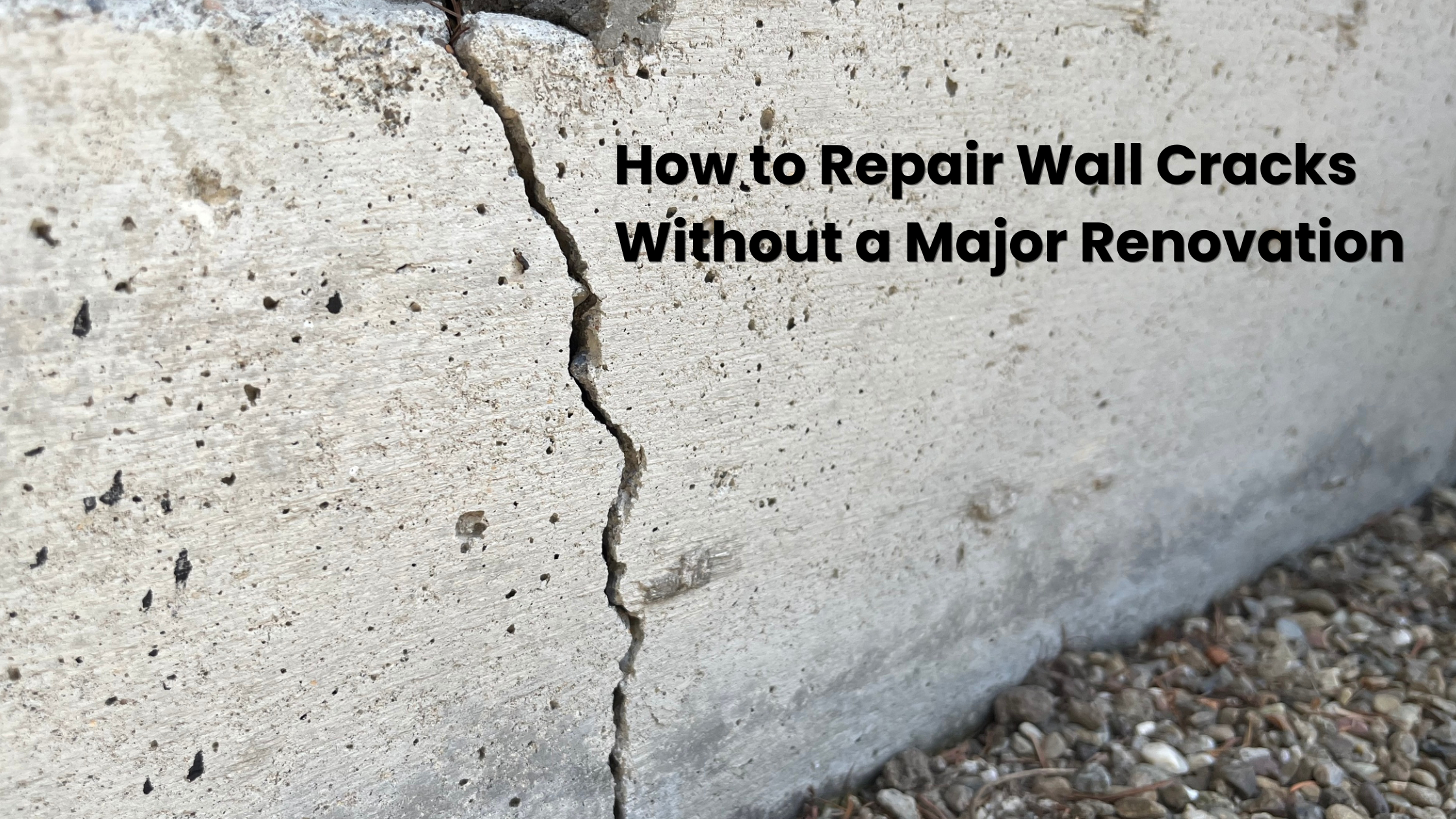
External plaster in Lahore takes a beating — monsoon rain, intense summer heat, and dust storms all stress the surface. A hairline crack in plaster is cosmetic. A crack that’s more than 2–3 mm wide, follows a diagonal pattern near corners or above openings, or has grown since you last noticed it — that’s structural, and you need a professional to assess it.
For routine plaster maintenance:
- Re-apply external texture coat or cement paint every 2–3 years minimum, more often if you’re in a high-dust area like outskirts of DHA or near a main road
- Fill hairline cracks with a flexible filler before repainting — don’t just paint over them
- Pay special attention to the DPC (damp proof course) zone at the plinth level — if external ground level is higher than the DPC, rising dampness will show in the internal walls
- Check expansion joints (if your house has them at boundary walls or extensions) — they must remain clear of rigid material and be sealed with flexible compound
Electrical and Gas: Don’t DIY the Dangerous Stuff
Faulty wiring is a leading cause of house fires in Lahore. Old aluminium wiring, overloaded circuits, and loose connections in distribution boards are common — especially in houses built before 2005. Have a licensed electrician check your DB, earthing, and any suspected problem circuits every two to three years.
Red flags to act on immediately:
- Switches or sockets that feel warm to the touch
- Lights that flicker when a heavy load (AC, motor) kicks in
- Burning smell from any socket, DB, or appliance outlet
- Frequently tripping breakers on the same circuit
For gas: SNGPL recommends annual checking of connections and appliance fittings. Never ignore the smell of gas — call SNGPL emergency and ventilate before anything else. This is not a DIY task under any circumstances.
Doors, Windows, and Ironwork
Wooden doors and window frames swell in monsoon and shrink in dry winter — that’s normal, but a frame that’s badly warped or a shutter that drags on the floor is putting stress on hinges and the frame itself. Oil hinges annually. Check weather seals on aluminium windows before each monsoon — a failed seal is a direct water entry path into your walls.
Iron grilles, gates, and exposed steel should be wire-brushed and repainted with a red oxide primer plus enamel topcoat every two to three years. In Lahore’s humidity, bare iron rusts faster than most people expect. If you’re dealing with a roof slab where steel is exposed or cover is thin, that’s a structural concern — get it assessed before it becomes an RCC repair job.
Tiles, Flooring, and Internal Finishes
Hollow tiles — tap them and you’ll hear a dull thud instead of a solid ring — mean the adhesive has failed and water has got underneath. One or two hollow tiles are a simple fix. An entire bathroom or kitchen floor of hollow tiles means regrouting or relaying, which is expensive and disruptive. Check for hollowness once a year, especially in wet areas.
For internal walls, keep an eye on:
- Paint peeling in patches — usually indicates either seepage or poor surface prep at construction time
- White salt deposits (efflorescence) on walls — always indicates moisture moving through masonry
- Soft or crumbling plaster in any area — press it gently; if it gives, it needs to come off and be redone
Understanding what went into your house’s finishing helps you maintain it better. Our post on construction material selection and finishing standards explains what quality finishing looks like from the ground up.
Maintaining the External Compound: Boundary Walls, Driveway, Garden
Boundary wall coping — the top capping layer — is almost universally neglected in Lahore. When coping cracks or the waterproofing on top fails, rain gets into the wall core, mortar washes out, and you start getting lean or cracking walls within three to five monsoons. Re-apply a coping waterproof coat every two years. Cost is minimal compared to rebuilding a 10–12 foot wall section.
Driveways in brick or concrete develop cracks from vehicle load and tree roots. Fill them before monsoon so water doesn’t pool and deepen them. If you have a garden, make sure the ground slopes away from the house — water pooling against the plinth is a direct cause of rising damp inside.
Rough Maintenance Cost Benchmarks (Lahore, 2025–26)
These are ballpark ranges only — actual costs vary significantly by house size, condition, contractor, and current material prices. Always get at least two to three quotes before proceeding.
| Task | Approximate Cost Range (PKR) | Frequency |
|---|---|---|
| Roof waterproofing touch-up (5 marla) | 20,000 – 50,000 | Every 2–3 years |
| External paint / texture coat (5 marla) | 40,000 – 100,000+ | Every 2–3 years |
| Plumbing leak repair (minor) | 3,000 – 15,000 | As needed |
| Iron grille / gate repainting | 5,000 – 20,000 | Every 2–3 years |
| Tile regrout / hollow tile repair (per room) | 10,000 – 35,000 | As needed |
| Electrical DB check and minor repairs | 5,000 – 20,000 | Every 2–3 years |
| Annual general maintenance budget (5 marla) | 50,000 – 150,000 | Annually |
Rates vary by area, contractor, and material costs — confirm current prices before budgeting. A well-maintained 5 marla house in Lahore should realistically budget PKR 50,000–150,000 per year across all maintenance tasks. That figure sounds like a lot until you compare it against a single major repair job.
When to Call a Structural Engineer, Not Just a Contractor
Not every crack or damp patch is a structural problem — but some are. Call a qualified structural engineer (not just a contractor, who has an interest in selling you work) if you notice:
- Diagonal cracks running from corners of doors and windows toward the ceiling — especially if they’re widening
- Cracks that go through the full thickness of a wall (you can feel a draft or see light)
- Any visible deflection or sag in a beam, slab, or lintel
- Doors or windows that have suddenly become difficult to open in a house that was fine before
- Settlement cracks at the junction of an addition or extension with the original structure
These signs require diagnosis before any repair work starts. Patching over a structural crack without understanding its cause is throwing money away.
If you’re thinking about a renovation or extension that might affect structure, it’s worth talking to IHS before you start — getting the scope right from the beginning saves far more than any repair cost.
Building a Simple Home Maintenance Log
One practical habit that experienced property owners swear by: keep a simple written or phone-notes log of everything done to the house. Date, task, contractor name, cost, and any observations. It sounds like admin overhead — but when a crack appears near a window you had replastered 18 months ago, you’ll know exactly what was done and by whom. It also helps if you ever sell the property.
A maintenance log also forces you to notice patterns. If you’re paying for the same plumbing joint to be fixed three times in two years, the underlying pipe needs replacing — not patching again.
Frequently Asked Questions
How much should I budget annually for house maintenance in Lahore?
A reasonable rule of thumb used by property managers is 1–2% of the house’s current construction value per year. For a 5 marla house with a construction value of around PKR 1–1.5 crore, that’s PKR 100,000–300,000 annually across all maintenance — though in practice many owners spend less in good years and more when a major task falls due. Confirm current material and labour rates before budgeting any specific job.
What’s the most important maintenance task before Lahore’s monsoon?
Roof and waterproofing inspection, without question. Every year, thousands of Lahore homeowners discover seepage damage that started at the parapet joint or a blocked drain — both completely preventable with a pre-monsoon check. Do this in May or early June before the rains arrive.
How do I know if a crack in my wall is structural or just cosmetic?
Width, pattern, and location matter. Hairline cracks (less than 1mm)